
Design Ideas for Functional and Attractive Retaining Walls
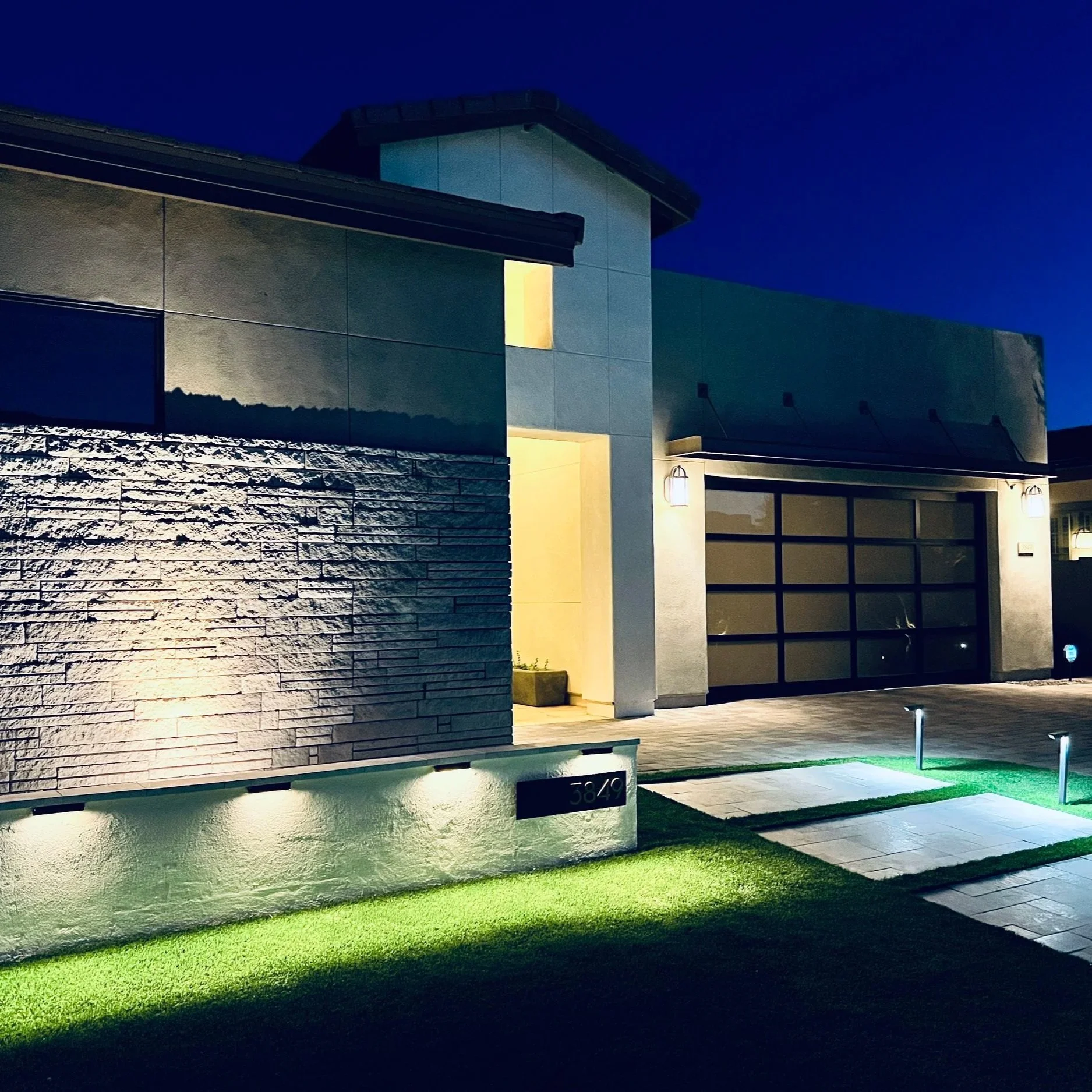
From garden backdrops to hillside support, retaining walls are built to last—and designed to impress.
Retaining walls play a fundamental role in shaping landscapes that are both functional and eye-catching. While their primary job is to hold soil in place, they can just as easily anchor the aesthetic of an outdoor space. From garden backdrops to hillside support, retaining walls are built to last—and designed to impress.
Natural Stone Elegance
Natural stone delivers old-world charm with the kind of durability that laughs in the face of weather. Each piece carries a unique texture and color, creating a wall with built-in character. Whether rough-hewn or neatly stacked, stone walls blend effortlessly into gardens and wooded areas. When vines spill over the edges, and moss fills the gaps, the wall becomes a feature, not a fixture.
Terracing for Layers and Levels
Terraced retaining walls transform steep slopes into structured, usable spaces. Each level provides a new opportunity—herb beds, flower gardens, or even an outdoor reading nook. The stair-step design adds visual rhythm to the yard, breaking up the landscape in a way that's both artistic and practical. Layered walls also help with drainage and reduce soil pressure, all while looking like they belong in a magazine spread.
Timber's Natural Warmth
Wood retaining walls soften a landscape with natural warmth. Timber brings a classic, cottage-style appeal and works beautifully in rural or forested properties. Horizontal planks suggest a modern touch, while vertical posts nod to traditional fencing. Cedar and redwood are popular choices thanks to their resistance to decay and their rich color that ages gracefully over time. With the right design, wood walls feel more like furniture than hardscape.
Modern Concrete Style
Concrete doesn't have to be bland or boxy. With clean lines and endless finishing options, concrete walls suit contemporary homes and minimalist gardens. Smooth, poured concrete walls offer a sleek canvas that pairs well with sculptural plants and metal accents. Decorative blocks, stamped textures, or colored stains open up a whole world of customization. Far from boring, concrete can be the sleek showstopper your backyard never knew it needed.
Gabion Wall Grit
Gabion walls turn raw materials into modern art. These wire-mesh cages filled with stone, gravel, or reclaimed materials strike a balance between rugged and refined. Gabions allow water to pass through freely, making them a practical choice for high-drainage areas. Their industrial edge makes them popular in modern landscapes, while the natural fill keeps them grounded and earthy. Lighting tucked inside adds a dramatic nighttime glow and keeps the wall looking bold around the clock.
Living Wall Life
Plant-loving homeowners will appreciate retaining walls that also double as vertical gardens. Designed with integrated planting pockets or modular stacking systems, living walls let greenery spill and spread across the surface. These walls blend structure with softness, offering space for native grasses, succulents, or flowering perennials. They help regulate temperature, support biodiversity, and make the space feel lush and alive.
Built-In Benches and Seating
A well-placed retaining wall can moonlight as built-in seating. Low walls that border patios or fire pits can be topped with smooth stone caps or wooden planks for a comfortable perch. This kind of multifunctional design makes outdoor living spaces more inviting and increases usability without adding clutter. A wall that supports the earth while also supporting guests is a hardworking addition worth celebrating.
Creative Material Combos
Mixing materials adds dimension and drama to a retaining wall. Wood with stone, metal with concrete, or even brick accents can make a wall feel more dynamic. Combining textures and finishes allows the wall to reflect different elements of the home's architecture or surrounding landscape. The contrast adds sophistication, while the unexpected pairings spark curiosity. A wall that mixes materials becomes a conversation piece rather than just a structural support.
Subtle Lighting Accents
Lighting is often the secret weapon of standout landscaping. Retaining walls with built-in lighting provide soft illumination that highlights texture, enhances safety, and adds atmosphere. Low-voltage LED strips can be installed under coping stones, while small spotlights draw attention to featured plants or design details. At night, the wall glows gently, framing the yard in a way that feels both elegant and welcoming.
Color and Character
Who says walls need to blend in? Retaining walls can carry color with confidence. Stained concrete, painted block, or tile inlays offer opportunities to reflect personality. Whether it's a bright feature wall in an outdoor entertainment area or a subtle tone that echoes the garden's colors, color adds energy. Some designs even incorporate hand-painted mosaics or reclaimed tile for a touch of whimsy that makes the wall feel one-of-a-kind.
Curves That Flow
A curving retaining wall introduces movement into a landscape. Instead of slicing through the yard in straight lines, curves create natural contours that mirror the land's topography. They soften hardscape and offer a more inviting visual flow. Curved walls are especially effective in gardens and walkways, where the eye follows the form and the path feels more intimate. It's a form-meeting-function in the most graceful way possible.
Sculptural and Structural
Retaining walls are more than infrastructure—they're a canvas for creativity. With thoughtful design, they become a focal point, offering a bold statement in the landscape. Whether it's a freestanding segment with artistic flair or a wall that wraps around an outdoor living space with geometric precision, sculptural walls show that practical structures can still carry a creative spark.
Crafted to Complement
Retaining walls should complement the surroundings, not clash with them. Matching materials to nearby patios, walkways, or house finishes ties the whole property together. Strategic plantings along the base or cascading over the top help the wall settle into the scene. A retaining wall done right doesn't fight the landscape—it works with it to create something more usable, beautiful, and enduring.
Retaining walls do more than hold back dirt—they define space, add interest, and create the bones of an exceptional outdoor environment. With smart choices and a dash of design courage, they can be transformed from background support to bold centerpiece. The best retaining walls work hard and look good doing it.
Enjoy a seamless blend of aesthetic appeal and functionality with masonry services from AZ Edge Landscaping in Chandler and surrounding areas. We offer outdoor kitchen installation, planter bed installation, block walls, retaining walls, property line wall, and masonry column construction services. Our aim is to create dream landscapes for every property owner. Licensed, bonded, and insured. Call today to schedule a consultation.