
How Rock Installations Add Texture and Character to Landscapes
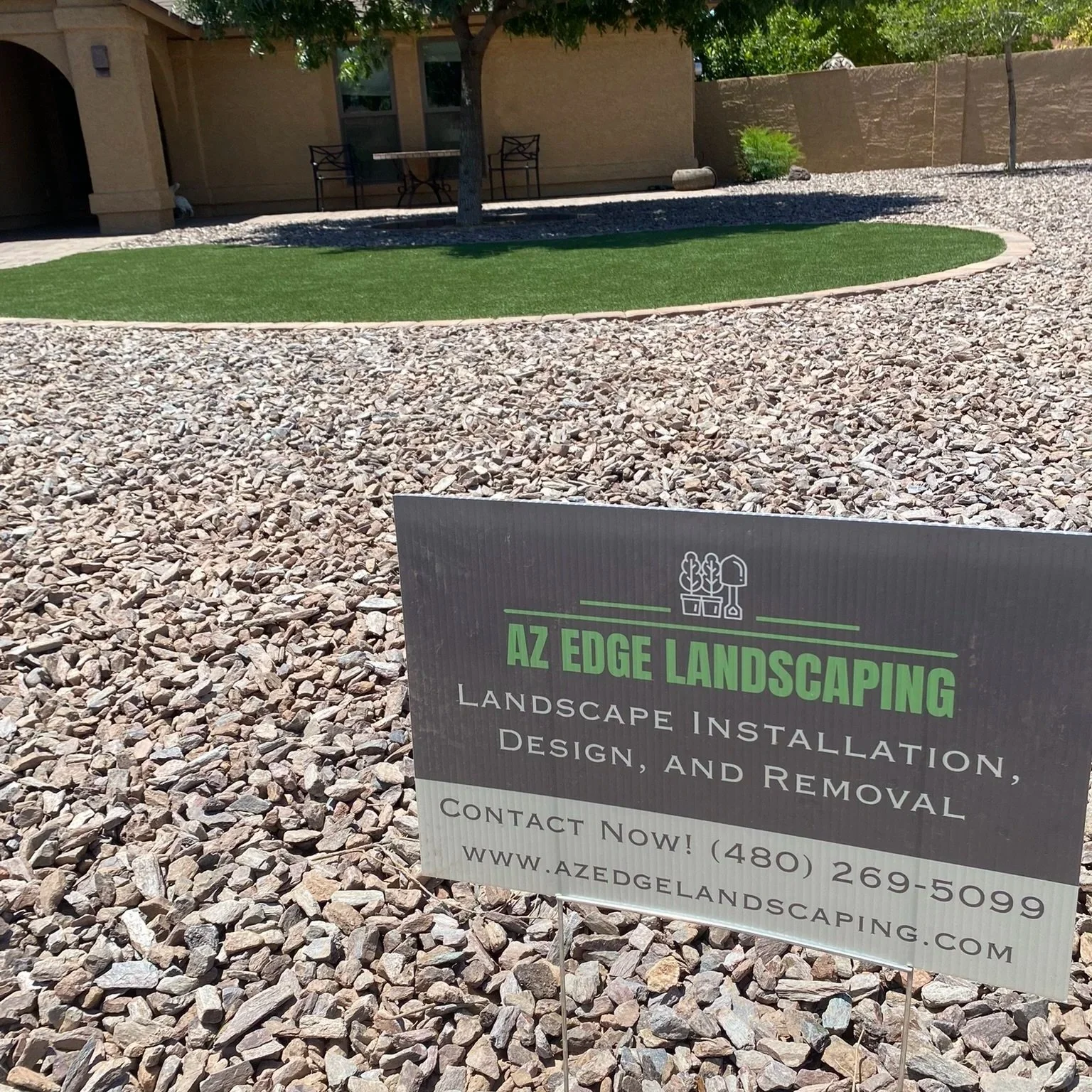
When incorporated thoughtfully, rock elements blend seamlessly into garden beds, walkways, and even water features, giving a landscape both aesthetic appeal and functionality.
Rock installations provide a striking way to add texture, dimension, and character to any landscape. From towering boulders to small decorative stones, rocks bring a natural, timeless quality to outdoor spaces that is hard to replicate with other materials. When incorporated thoughtfully, rock elements blend seamlessly into garden beds, walkways, and even water features, giving a landscape both aesthetic appeal and functionality.
Natural Beauty That Lasts
One of the most notable advantages of rock installations is their ability to enhance the natural beauty of a landscape. Rocks, whether large boulders or smaller pebbles, introduce an organic look that complements plant life and other outdoor elements. Unlike wood, which can weather over time, or artificial materials that may fade or crack, rocks are inherently durable and long-lasting. Their texture and appearance can weather the seasons, aging gracefully while adding more character over time.
Rocks come in a multitude of colors, sizes, and textures, allowing them to be used to highlight specific areas or create a cohesive theme. For example, lighter-colored stones can add brightness to shaded areas, while darker stones provide depth and contrast in more vibrant parts of the landscape. This versatility enables rocks to adapt to various landscaping styles—from modern minimalism to rustic country charm.
Rock Features Add Dimension
One of the main benefits of incorporating rocks into a landscape is the dimension they bring. A carefully placed rock or boulder creates visual interest and can serve as a focal point within a yard or garden. Rocks help break up large open spaces and create a more structured, well-defined layout. For example, strategically placed rocks along a garden’s edge can serve as natural boundaries, distinguishing flower beds from lawns or walkways.
Larger rocks, such as boulders, can be used to create a bold statement, whether they’re grouped in a rock garden or placed to mimic the appearance of a mountain range. Smaller stones can be arranged in patterns, like in a dry creek bed or as a border for plantings, creating intricate and visually appealing designs.
Adding texture to your landscape can also be achieved by varying the sizes and shapes of rocks. A mix of smooth, rounded stones with jagged, angular ones introduces an element of contrast, making your landscape more dynamic and visually interesting. The texture of rocks also adds tactile appeal, inviting touch while enhancing the overall feel of the space.
Perfect for Walkways and Pathways
Rocks are an excellent choice for creating natural-looking walkways and pathways. Whether using gravel, flagstone, or cobblestones, rocks can transform a simple path into an inviting journey through your landscape. Not only do they create visual interest, but they also provide a sturdy, stable surface for walking. Gravel paths, for example, are easy to install and offer excellent drainage, preventing puddles and mud after rainstorms.
Flagstone walkways, on the other hand, convey a more polished and refined appearance. These flat stones can be set in an organic, flowing pattern, or arranged more symmetrically, depending on the design you’re going for. Their natural edges and varied sizes make them perfect for creating paths that appear to have always been part of the landscape.
Rock as a Functional Element
Aside from their beauty, rocks can serve a functional purpose in your landscape. For example, rocks can be used to retain soil in sloped areas, helping to prevent erosion. A well-placed retaining wall made of natural stone can create terraces or define different levels in a garden, giving it structure and a sense of scale. Large boulders can also act as natural barriers, guiding foot traffic along designated paths and preventing trampling on delicate plants.
Using rocks as a ground cover material is another practical option in areas where grass is difficult to grow or where you’d like to minimize maintenance. Rocks, such as river rock or crushed stone, can act as a substitute for traditional mulch or soil. This method creates a low-maintenance area that still looks polished and tidy.
Aesthetic Rock Gardens
One of the most popular ways to incorporate rocks into a landscape is through the use of rock gardens. Rock gardens are designed to highlight the natural beauty of rocks while showcasing plants, flowers, and shrubs that thrive in a rocky environment. Alpine plants, succulents, and drought-tolerant species are often selected for these gardens due to their ability to thrive in rocky, well-drained soils.
In a rock garden, rocks serve as both the focal point and the supportive structure for the plants. Large boulders can be used to create visual interest in the center or corners, while smaller stones help to fill in the gaps, mimicking a natural rocky landscape. The contrast between the textures of the rocks and the soft foliage of the plants adds a sense of harmony to the space, making it a beautiful place to relax and enjoy nature.
Water Features with Rocks
Adding rocks around water features, such as fountains, ponds, or waterfalls, introduces an additional layer of texture and interest. Rocks serve as natural boundaries, creating a seamless transition between the water and the neighboring landscape. They help soften the edges of a pond or water garden, making the feature look more integrated with the rest of the landscape.
In waterfalls, rocks can be strategically placed to direct the flow of water, creating a dramatic effect as water cascades over the stones. Not only do rocks enhance the aesthetic appeal of these water features, but they also contribute to the overall health of the garden. By providing a natural habitat for moss, algae, and other microorganisms, rocks create an ecosystem that supports local wildlife, like birds and insects.
Durability for Low Maintenance
One of the main selling points of rock installations is their low-maintenance nature. Unlike plants, which require regular pruning, watering, and fertilization, rocks remain virtually unchanged year after year. With a bit of cleaning and occasional rearranging, rocks continue to provide texture and beauty to your landscape without demanding constant attention.
The durability of rocks also makes them a lasting investment. Rocks are resistant to wear and tear from weather conditions, and their color and texture will remain largely unaffected by sun exposure, rain, or snow. This makes rock installations an excellent choice for busy homeowners or property managers who would like to create an attractive, lasting outdoor space with minimal upkeep.
Conclusion
Rock installations offer a unique blend of natural beauty, functionality, and low-maintenance appeal, enhancing any landscape. Whether used as statement features, ground cover, or part of an overall design, rocks offer an endless range of possibilities for enhancing your outdoor space. From adding texture and dimension to creating focal points and functional elements, rocks play a vital role in shaping landscapes that are both visually stunning and durable. If you want to add character to your outdoor space, consider incorporating rocks into your design for a timeless and natural touch that will last for years to come.
Az Edge Landscaping is a licensed, bonded, and insured hardscaping contractor specializing in rock installation, concrete installation, travertine pavers, and desertscapes. Our work accompanies a 2-years service warranty. We tailor our services to meet each clients’ needs. We are committed to creating unmatched outdoor spaces. Call today.