
How Smart Irrigation Systems Conserve Water and Support Growth
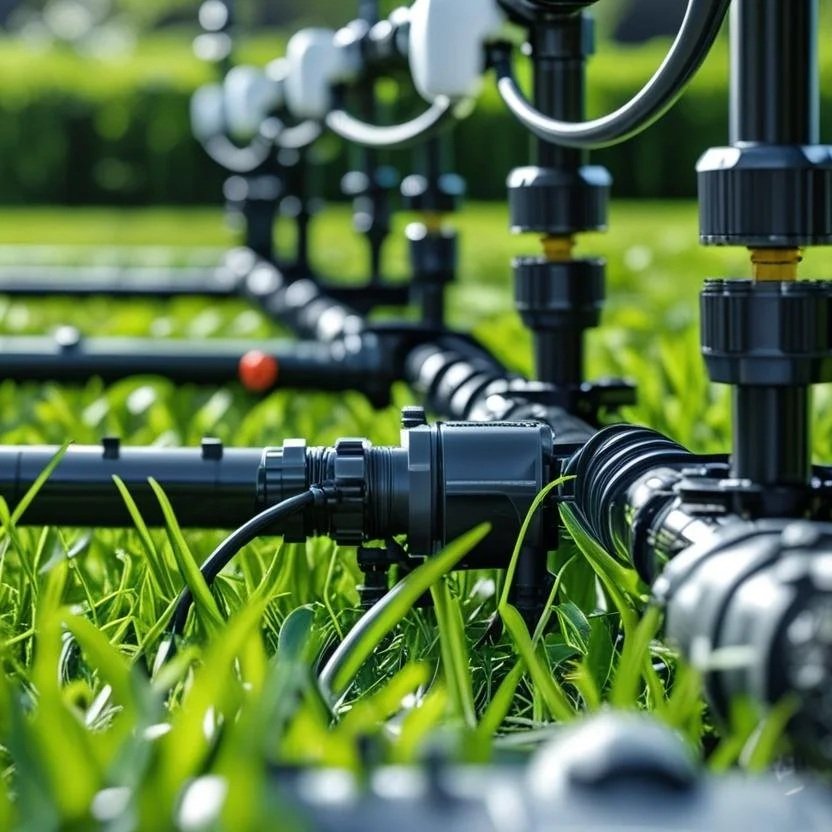
With a smart system, every drop counts—and every plant benefits.
Smart irrigation systems have quietly revolutionized the way landscapes thrive. Gone are the days of timers spraying water on already-soaked lawns or dry spots baking in the sun while sprinklers aim elsewhere. With technology on their side, modern irrigation systems now water with accuracy, conserve resources, and help landscapes grow stronger, greener, and more resilient.
Efficiency doesn't have to mean compromise. With a smart system, every drop counts—and every plant benefits.
Watering With Precision
Traditional irrigation often relied on rigid schedules, regardless of weather or soil conditions. Rain? The system still ran. Cool, cloudy morning? Still watering. That approach led to waste, runoff, and overwatered plants. Smart systems flipped the script. They adapt in real time, adjusting based on temperature, humidity, rainfall, and even wind.
Sensors gather data from the environment and communicate directly with controllers. If the soil holds enough moisture, watering pauses. If temperatures spike and plants need a little more, the system delivers. The result is tailored hydration—less water, better timing, healthier landscapes.
Supporting Plant Health from the Roots Up
Healthy plants rely on consistent watering that reaches the roots without drowning them. Overwatering often causes more damage than drought. It leads to shallow root systems, mold, and diseases that stress even the hardiest shrubs. Smart irrigation balances moisture levels, promoting deep roots and stronger growth.
Watering cycles can be set to soak slowly, giving the soil time to absorb and distribute moisture effectively. Plants don't just survive—they thrive. Growth becomes more vigorous. Leaves look lusher. Flowers bloom longer. It's the quiet power of steady, reliable hydration doing the heavy lifting behind the scenes.
Customizing for Zones and Needs
A single yard can include grass, trees, flower beds, vegetable gardens, and container plants—all with different water needs. Smart irrigation systems divide properties into zones, each controlled independently. The turf area might need short daily watering during summer, while the shade garden thrives on less frequent cycles. Raised vegetable beds may call for drip irrigation twice a day.
With zoning, no one gets too much or too little. The system adjusts watering based on sunlight exposure, soil type, and plant needs. It speaks the language of the landscape fluently, giving each area what it needs without guesswork.
Learning and Adapting Over Time
Smart controllers don't stop at weather tracking. Many systems actually learn from previous cycles. They monitor usage, review patterns, and optimize over time. Some connect to local weather stations or online databases, staying in tune with seasonal shifts or unexpected dry spells.
That intelligence builds a relationship with the yard. The longer it runs, the better it performs. Instead of reacting to conditions mindlessly, the system anticipates them—watering proactively and conserving when nature lends a hand.
Remote Access and User-Friendly Control
For busy homeowners, control from a smartphone or tablet brings convenience to a whole new level. Whether across town or on vacation, adjustments happen instantly from anywhere. Forgot to update the schedule during a heatwave? One swipe solves it. Want to test a zone or fine-tune coverage? The app walks through it step by step.
No more crouching next to a confusing box in the garage. No more hoping the system knows what it's doing. Control shifts to the homeowner—simple, clear, and accessible.
Reducing Waste and Supporting Sustainability
Water waste often goes unnoticed, especially when sprinklers run at night or in hidden corners. But over time, those extra gallons add up—on the water bill, on the environment, and the health of the landscape. Smart irrigation dramatically reduces waste by targeting watering more precisely and avoiding overuse.
Runoff, evaporation, and overspray all drop when systems water early in the morning or adjust for wind. With the right setup, landscapes remain lush and green while using up to 50% less water. It's good for the plants, good for the wallet, and good for the planet.
Drip Integration for Hyper-Efficient Watering
Drip irrigation pairs perfectly with smart systems. Controlled emitters deliver water directly to the base of each plant, avoiding leaves and walkways. When managed by a smart controller, drip systems hit a new level of accuracy—perfect for gardens, shrubs, and container plants.
No puddles, no scorched leaves, and fewer weeds since water isn't spread across empty ground. The system quietly takes care of the details while plants enjoy uninterrupted hydration. It's the landscaping version of a personal concierge service—subtle, thoughtful, and always on time.
Long-Term Cost Savings
Installation brings an upfront investment, but the payoff arrives quickly. Using less water translates to lower utility bills. Fewer dead plants mean less money spent on replacements. With the ability to adjust without extra hardware or technician visits, maintenance stays simple and budget-friendly.
Throughout a season—or a decade—a smart irrigation system pays for itself through saved resources, healthier plants, and fewer headaches. It's the landscaping equivalent of putting money back in the bank while your garden blossoms.
Professional Installation for Seamless Results
Although systems are increasingly user-friendly, a professional touch during setup helps align components with the landscape's quirks. Soil types, root zones, sun exposure, and water pressure all affect performance. A trained eye spots those details and fine-tunes accordingly.
Smart irrigation thrives on precision, and a solid foundation keeps it performing beautifully for years. Once installed and dialed in, it's one less thing to think about and one more reason the yard looks picture-perfect—without the effort.
A Modern Approach to a Timeless Goal
Every landscape wants to grow. Trees stretch. Grass thickens. Gardens evolve with the seasons. A smart irrigation system becomes part of that rhythm, giving plants what they need while letting homeowners focus on enjoying the space.
It's not about technology for its own sake. It's about using that technology to nurture the land in a way that's responsive, thoughtful, and sustainable. Every hose left coiled in the garage, every sprinkler skipped on a rainy morning, every thriving tomato vine in a raised bed—those are the quiet victories of a system that supports nature instead of working against it.
With smart irrigation, watering becomes part of the story—not a chore, not a waste, just a smooth, steady rhythm that lets the landscape shine.
Enjoy various landscaping solutions in Chandler and surrounding areas with AZ Edge Landscaping. We excel in providing landscaping lighting, irrigation systems, tree removal, sod installation, and concrete removal services. Our owner offers accurate, free quotes and is committed to streamlining the process, ensuring constant communication and attention to detail. Call us!